Personal project, dropshipping e-commerce
Having AI agents code a shop, without losing control
Since August 2026, I have been launching Shopify dropshipping shops. The theme code is written by AI agents and the visuals by image models. My job: decide what needs doing, check what goes live, and run the shops.
Context and goal
I wanted to test products on small European markets, quickly, and in a language I do not always speak. AI agents can write a complete theme in a few hours; the risk is no longer knowing what is live, or how to roll back. So the goal was twofold: move fast, and stay in control of every change published.
Delegate the writing, not the publishing
I set working rules for the agents, written down in the project notes:
- Nothing goes live without my approval, and only one file at a time, so the shop's settings are never overwritten.
- A restore point before touching the live theme: a full copy of the theme (627 files for the bracelet shop), then a before/after log per file, with the rollback command.
- Nothing non-public in the files served: backups and notes are kept outside the theme.
- Credentials, bank details and identity: me alone. The agent never enters them.
In practice, in the terminal:
# before each batch: copy of the live theme
shopify theme pull --theme <theme-id>

# after my approval: a single file, never the settings
shopify theme push --theme <theme-id> --only sections/faq.liquidWhat testing caught
The fixes were coded by the agent and validated by me on the live site. Some defects came from my own tests, others from the audits carried out before launch.
- Broken images on the Dutch version. The translation tool was also translating file names stored in text settings: an image called “step” became “stap”, and no longer existed. Those settings became non-translatable lists, and the rule is now written down: a setting that contains a file name is never a free-text field.
- A forced switch back to English. While testing, I found that choosing Dutch changed nothing: automatic language detection sent visitors back to English right after they chose. The fix: a language explicitly present in the URL is never overridden.
- A cart that reloaded the page. Changing the colour of an item triggered a server error (400), then a full reload. The call targeted the variant instead of the cart line; it is fixed, and the cart now updates without reloading.
- Personal data on a legal page. The auto-generated privacy policy reinserted a personal email address and postal address every time it was saved. It was switched to a written version, with no personal data.
The bracelet shop, up close
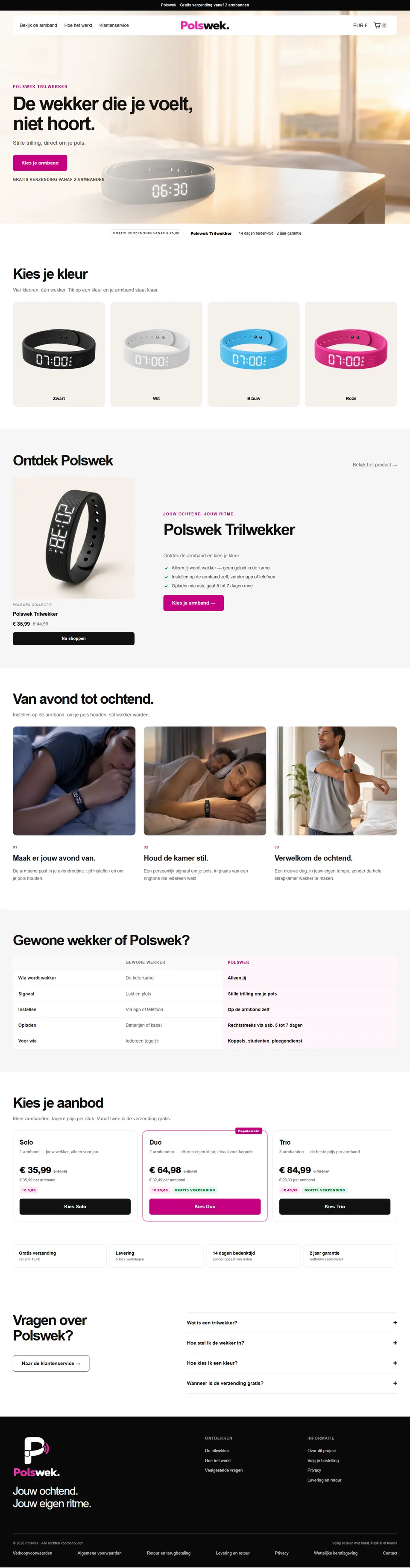
Scroll through the home page as a visitor would, on desktop and on mobile. Live Dutch version, theme published on 20 September 2026; the reviews section has been removed from the capture.

The videos
AI-generated (Higgsfield) under my direction, then edited, in story format. They start playing, muted, when they appear; the button pauses them. I only show product shots and staged scenes: no video claims to be a customer review.
-
From sleep to wake-up Aubéa alarm bracelet, final edit -
USB charging Aubéa alarm bracelet, with call to action -
The product in the studio Alarm bracelet, product shot -
Time as a hologram Alarm bracelet, visual effect -
One letter, one name Initial necklace -
The necklace, worn Initial necklace -
The belt in the studio EMS belt (store never launched) -
The demo Moisturising stick (store never launched)
The bracelet's visuals
For the bracelet's first brand, Aubéa: a series of images generated with ChatGPT under my direction, in a warm, quiet palette that matches the product. French, then English for the Irish and Dutch markets.
-
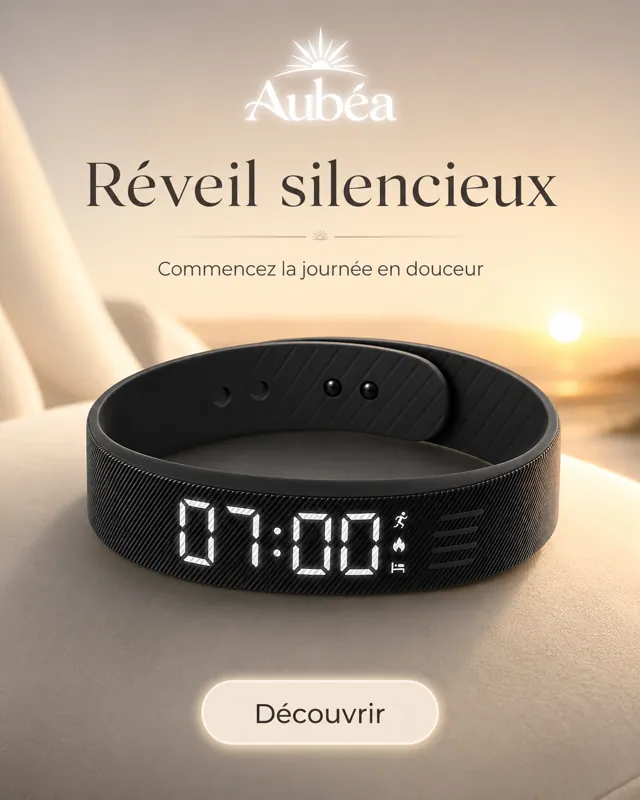
Silent alarm -
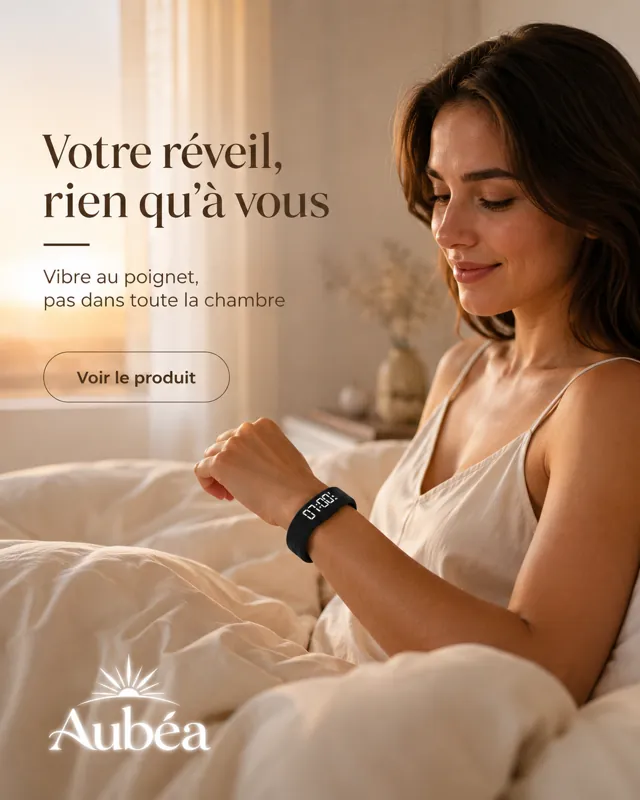
Just for you -
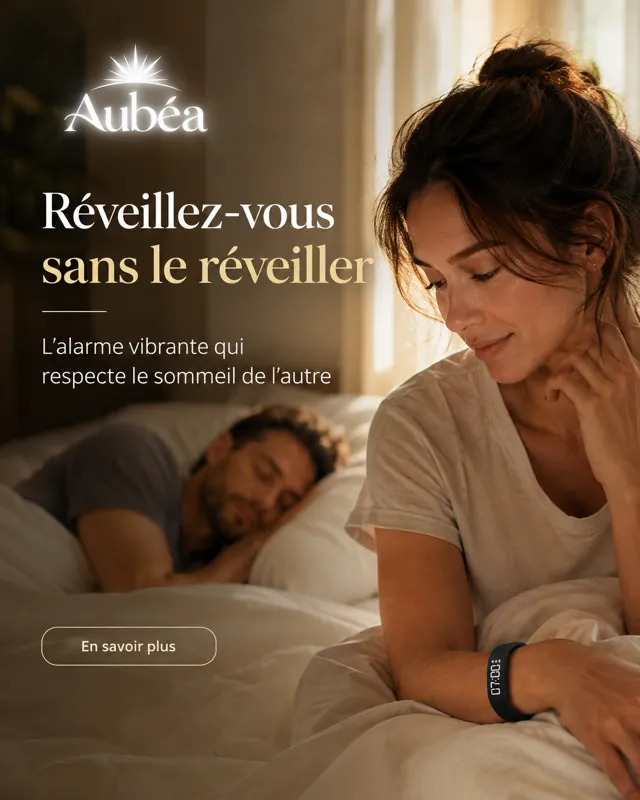
Without waking the other -
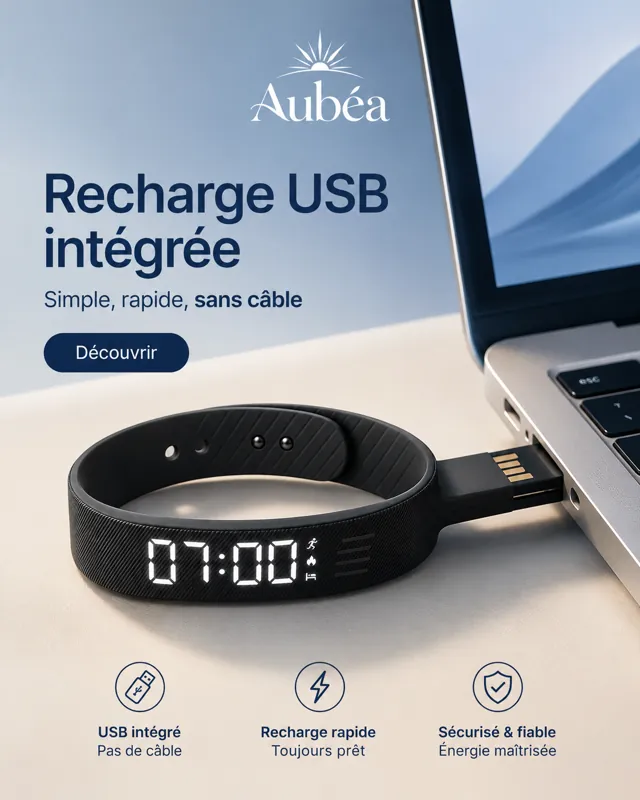
USB charging -
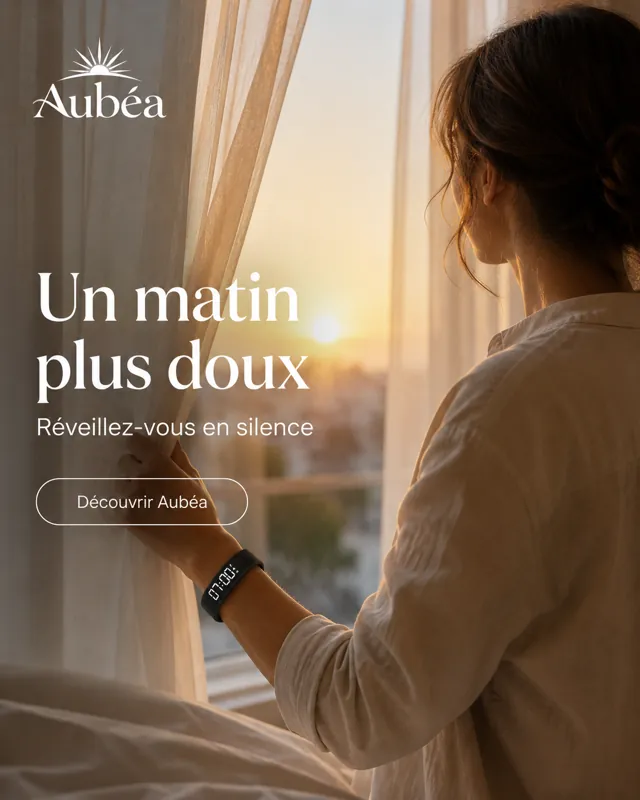
A gentler morning -
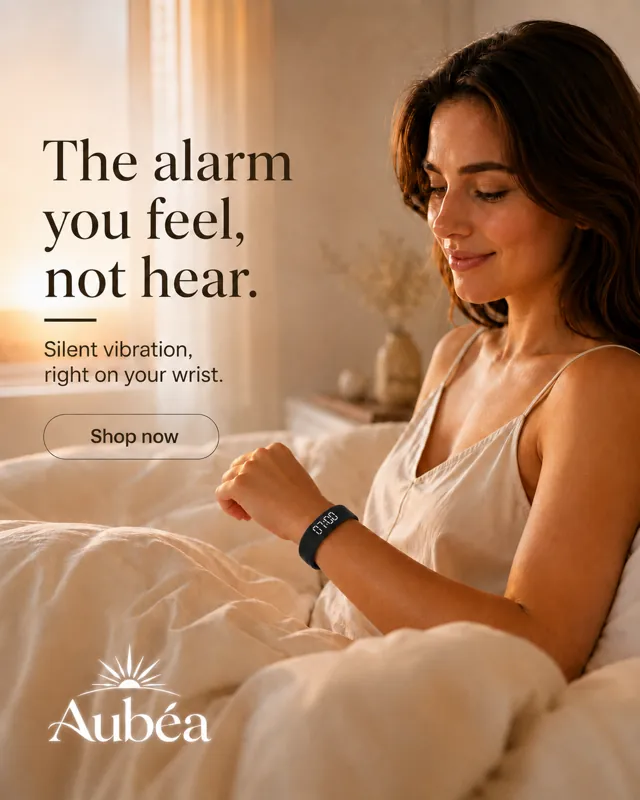
English version
Necklace and stick visuals
For two other stores, the initial necklace (Luvenia) and a moisturising stick that never launched: product shots, portraits and staging, generated with ChatGPT under my direction.
-

Packshot -
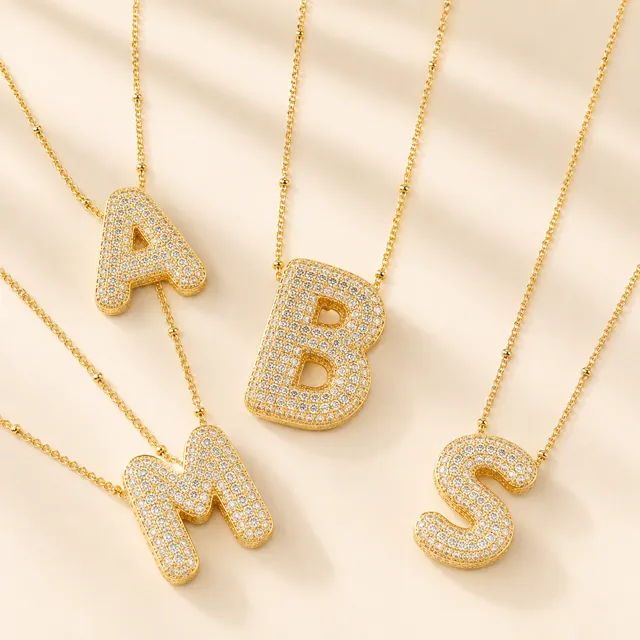
Several initials -

Seaside portrait -

The necklace, worn -

Gift box -
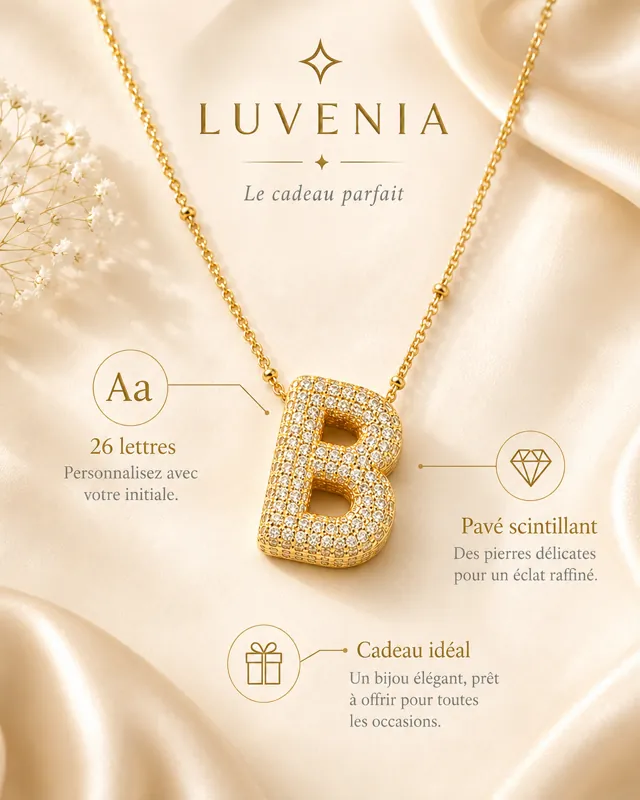
Brand visual -
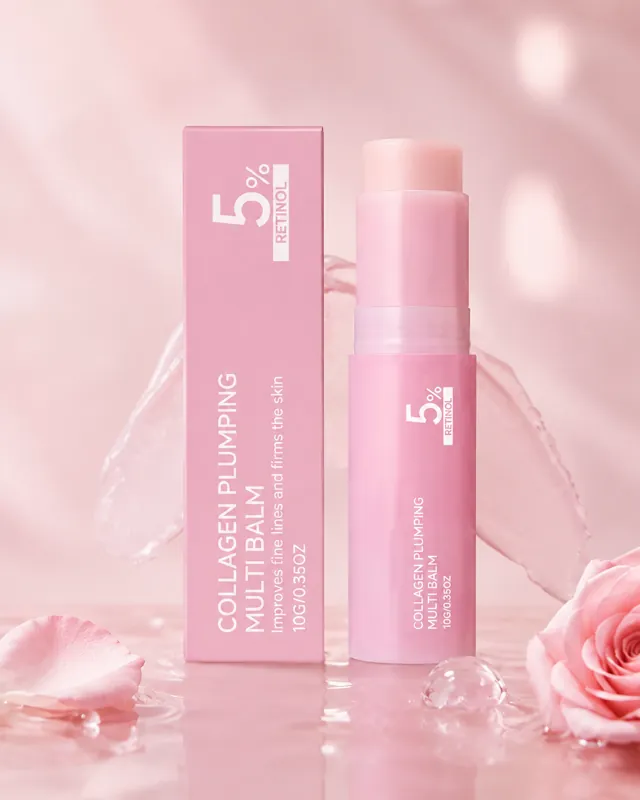
The product -
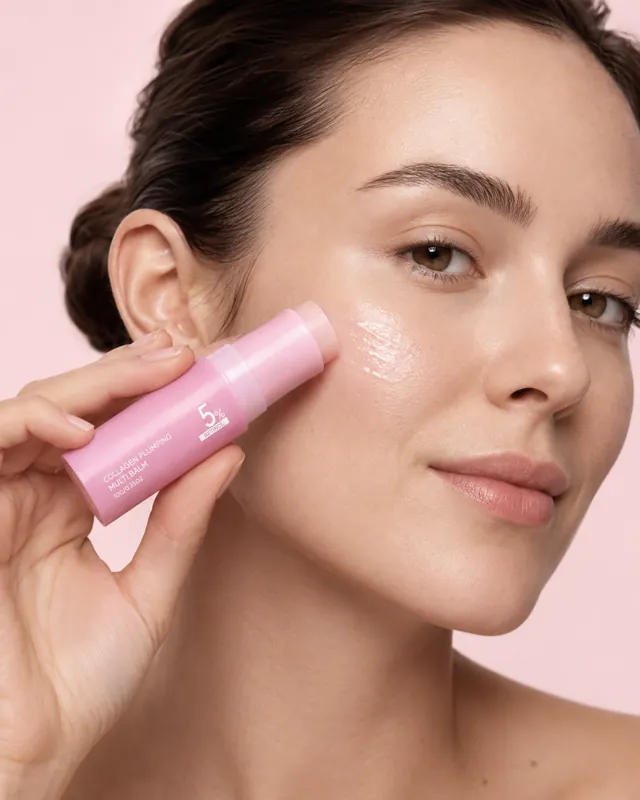
In use -
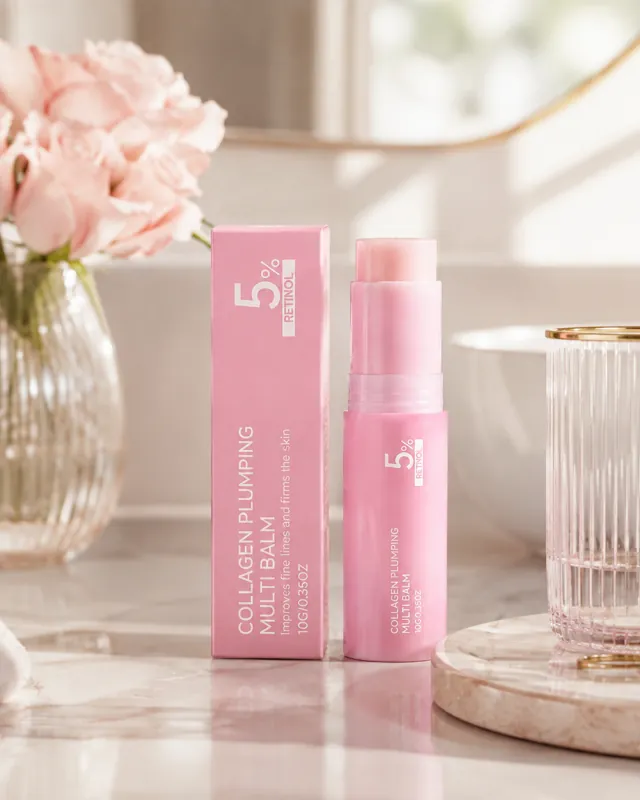
Staging
The Danish campaign
For the shoe laundry bag shop, I directed a series of visuals generated with GPT Image (via Higgsfield): a single system, adapted for the news feed and for stories. Real prices, real free delivery, no reviews or testimonials; the before/after scenes are labelled as illustrative. Tap an ad to read its translation.
-
How to use it, in three steps
-
The product in close-up
-
The single-bag offer
-
Choosing the colours
-
Before and after (illustrative scene)
-
In use, in the machine
I only show original concepts here. No ad performance figures were recorded, so I do not put any forward.
Verifiable results
- CountedLighthouse mobile, 3 September 2026, bracelet shop: accessibility 100, SEO 100, performance between 52 and 76 in lab conditions.
- CountedPre-launch audit: 29 URLs checked (200, 301 and 404 responses as expected), 293 resources loaded across three pages without a single 404 error, no third-party scripts.
- RecordedDomain, payments and the English and Dutch versions live in early September 2026.
- RecordedFirst real, paid order on 22 September 2026 for the shoe laundry bag shop; a first order for the bracelet shop too.
What I take away from it
Having an agent write the code does not remove the work, it moves it: less typing, more specification, verification and traceability. It is the lesson from my internship, applied to a different field: the time saved on writing is reinvested in testing.
I also keep a very concrete rule from it: an automated tool processes everything you hand it, including things that should never have gone through it. The translated file names proved it.